Write as |
Practice your writing by typing out classic literature. This method not only enhances your understanding of rhythm, structure, and nuances but also connects you deeply with the timeless flow of literary history.
This is a BETA version.de Gallardon had informed her cousin that Swann was in the room, Chopin himself might have risen from the grave and played all his works in turn without Mme. des Laumes's paying him the slightest attention. She belonged to that one of the two divisions of the human race in which the untiring curiosity which the other half feels about the people whom it does not know is replaced by an unfailing interest in the people whom it does. As with many women of the Faubourg Saint-Germain, the presence, in any room in which she might find herself, of another member of her set, even although she had nothing in particular to say to him, would occupy her mind to the exclusion of every other consideration. From that moment, in the hope that Swann would catch sight of her, the Princess could do nothing but (like a tame white mouse when a lump of sugar is put down before its nose and then taken away) turn her face, in which were crowded a thousand signs of intimate connivance, none of them with the least relevance to the sentiment underlying Chopin's music, in the
Swann's Way
by Marcel ProustThe first volume of Proust's seven-part novel, In Search of Lost Time, Swann's Way is the auspicious beginning of Proust's most prominent work. A mature, unnamed narrator recalls his experiences while growing up in the home of his aunt and uncle. This novel is notable for its profound psychological insight and the author's reflections on the nature of art and time.
Read more about Marcel ProustOther classics
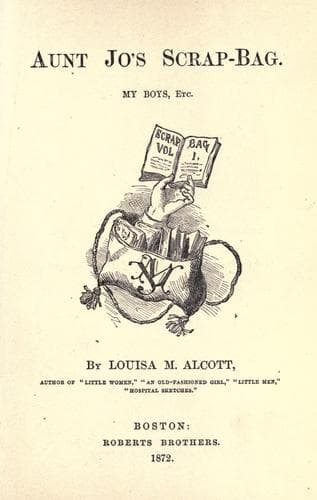
Louisa May Alcott
Aunt Jo’s Scrap-Bag Vol. 1
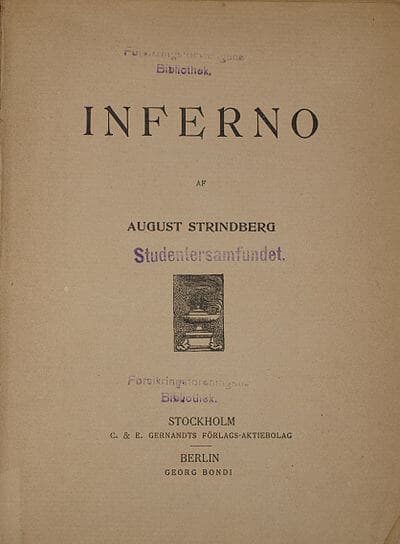
August Strindberg
Inferno
Hjalmar Söderberg
Förvillelser
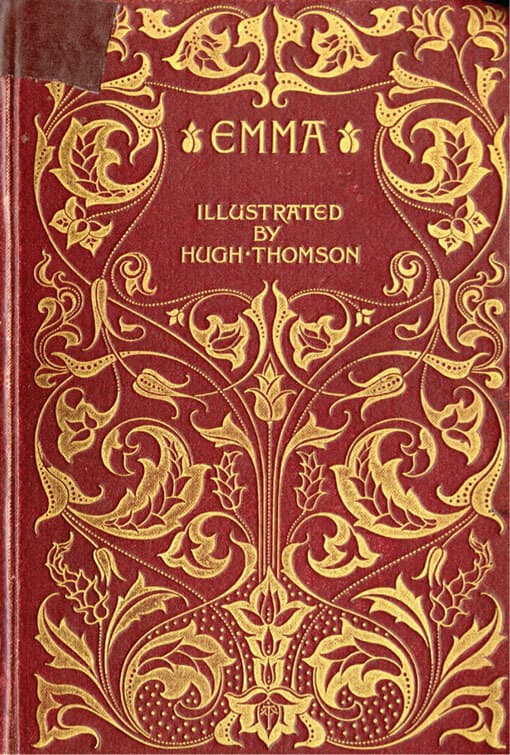
Jane Austen
Emma
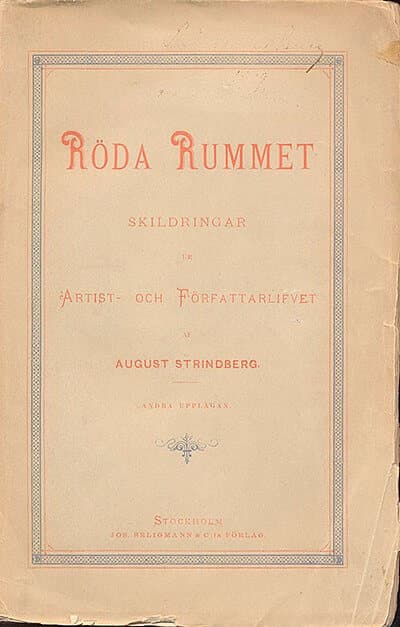
August Strindberg
Röda Rummet
Lewis Carroll
Alice's Adventures in Wonderland
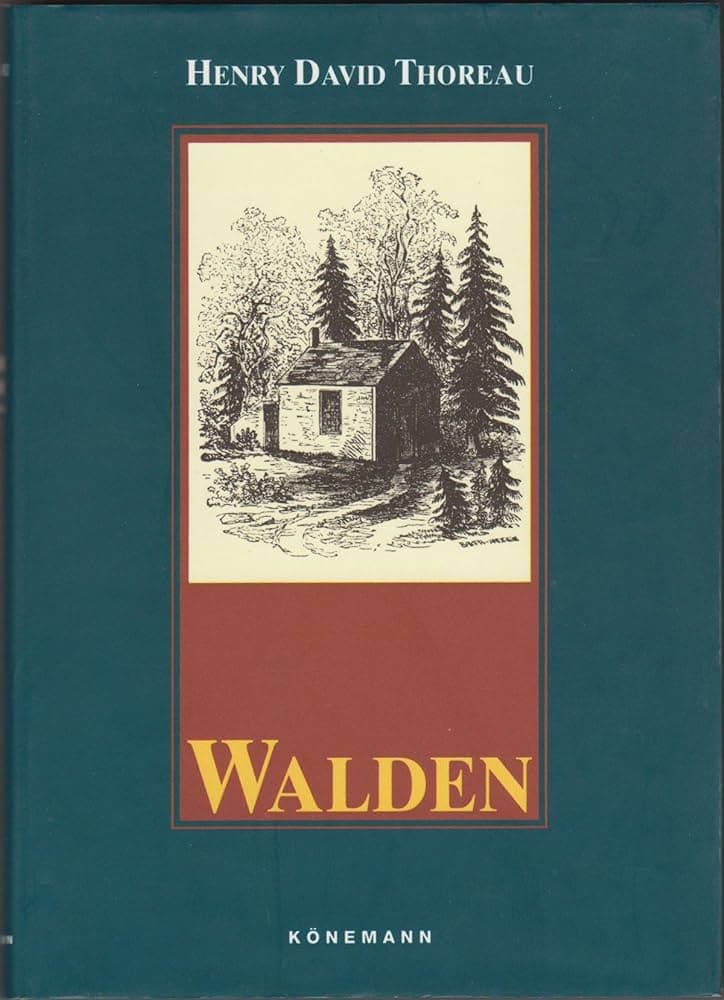
Henry David Thoreau
Walden
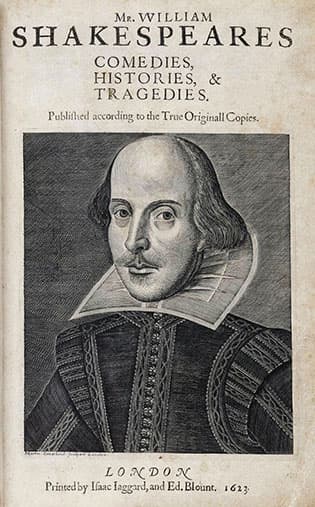
William Shakespeare
Romeo and Juliet
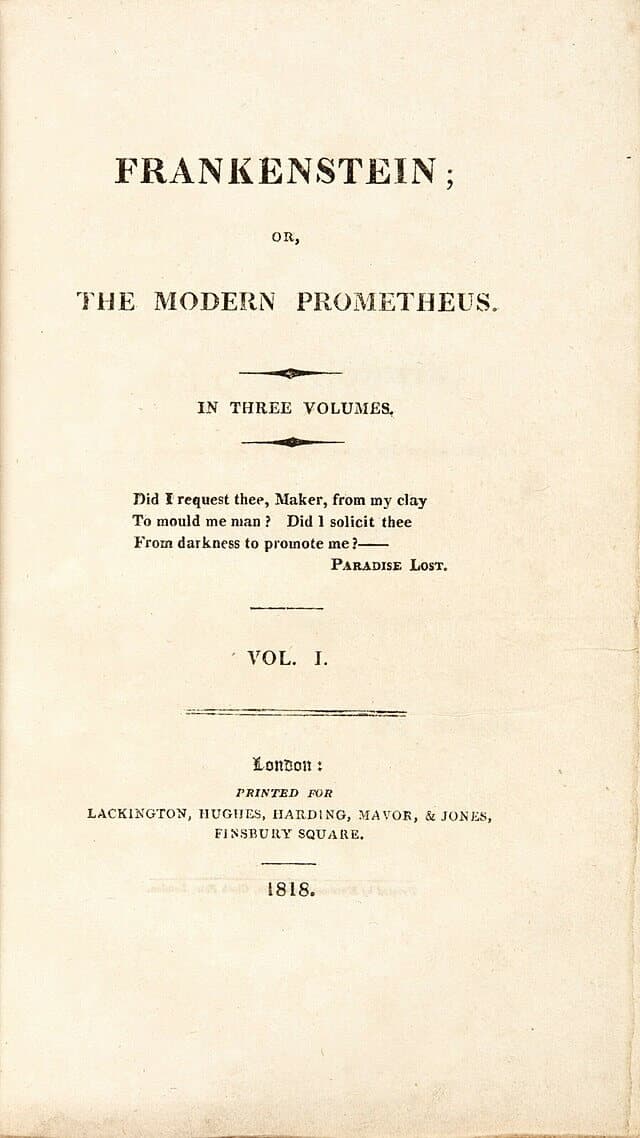
Mary Shelley
Frankenstein
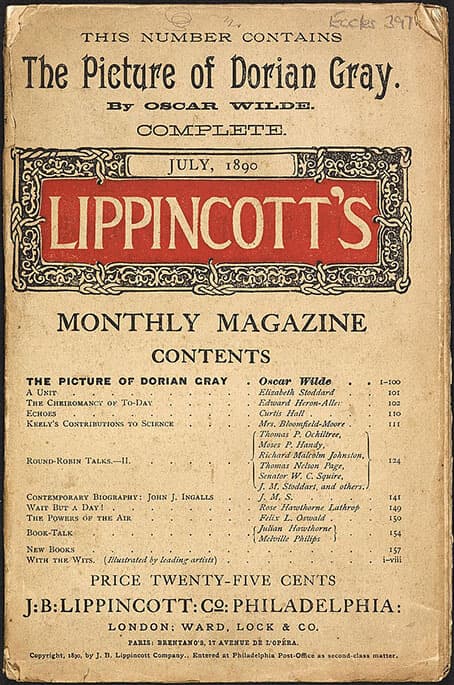
Oscar Wilde
The Picture of Dorian Gray
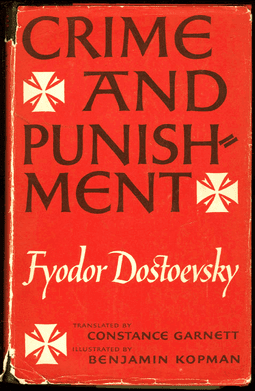
Fyodor Dostoyevsky
Crime and Punishment
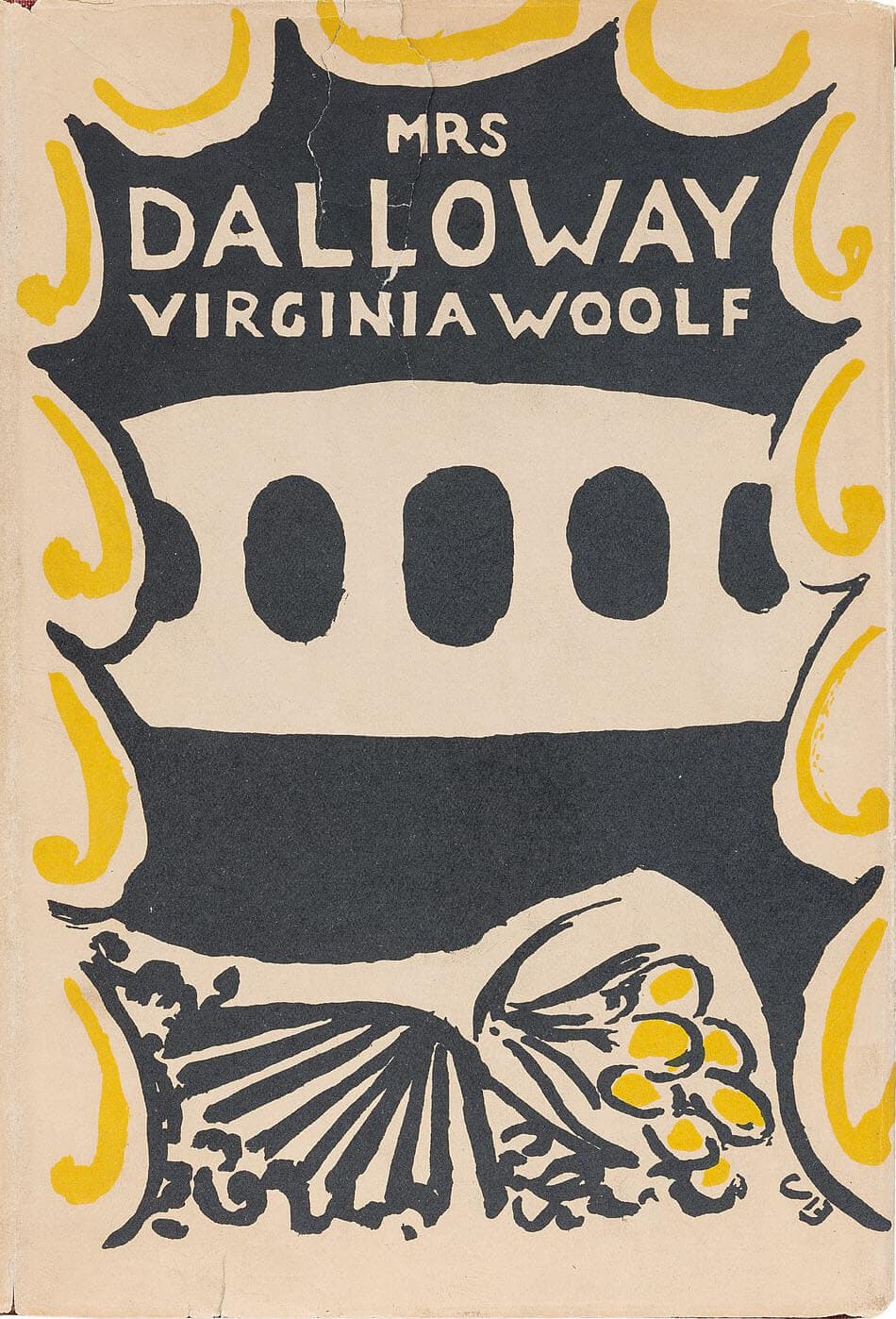
Virginia Woolf
Mrs. Dalloway
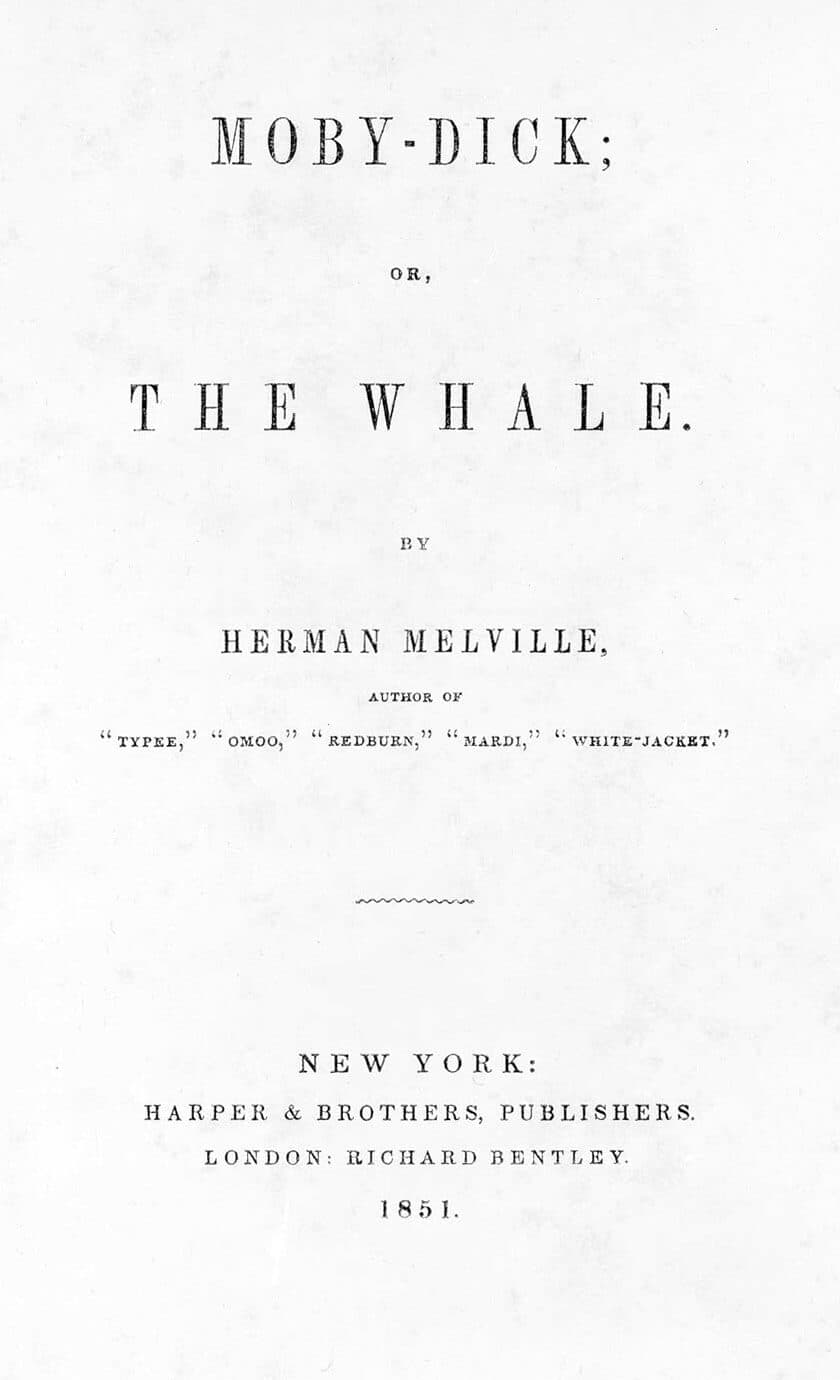
Herman Melville
Moby-Dick; or, The Whale
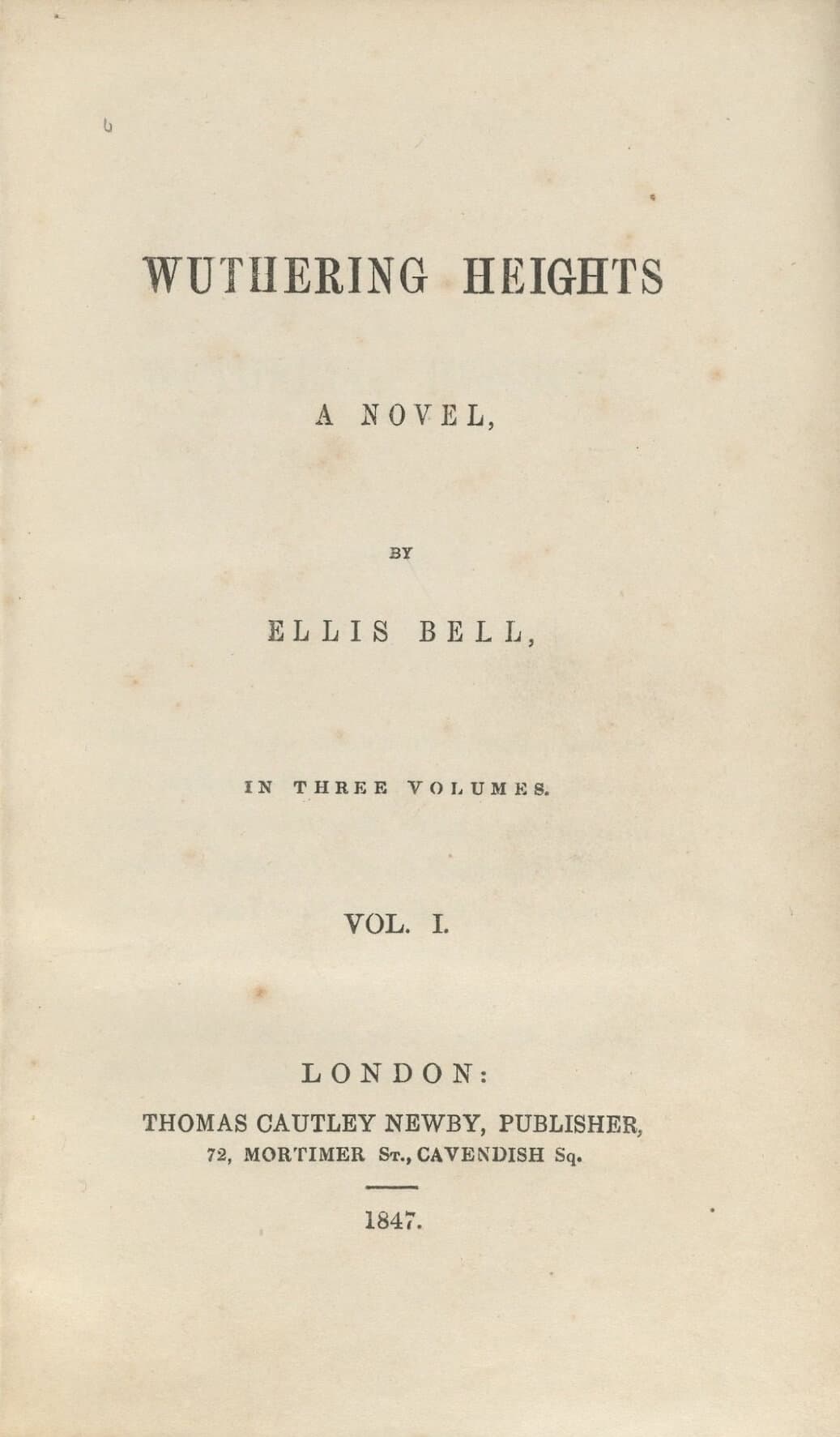
Emily Brontë
Wuthering Heights
Elizabeth Cleghorn Gaskell
Cranford
F. Scott Fitzgerald
The Great Gatsby
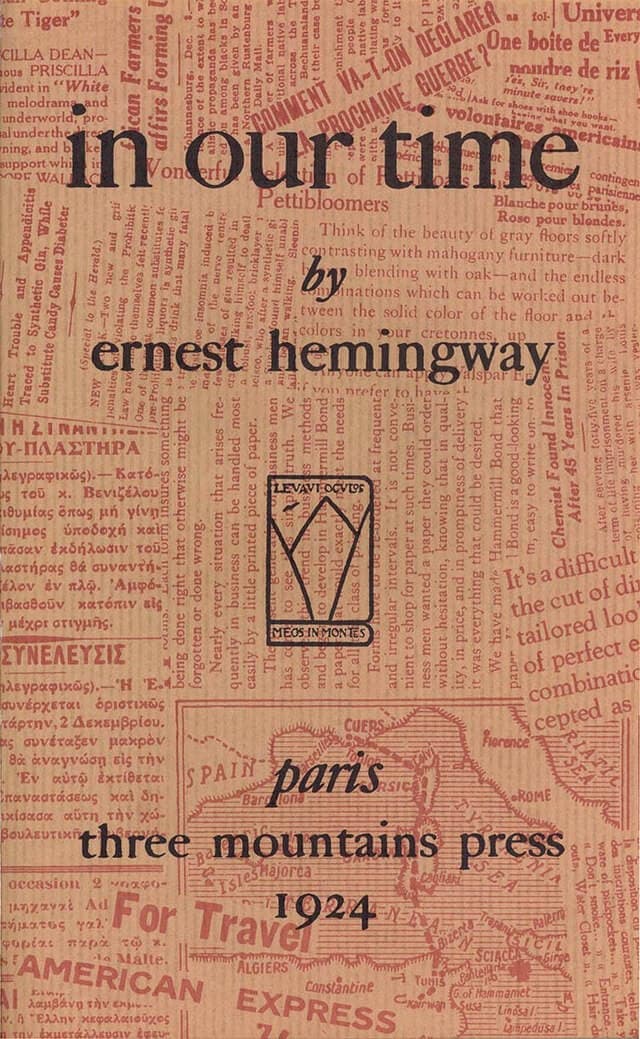
Ernest Hemingway
In Our Time
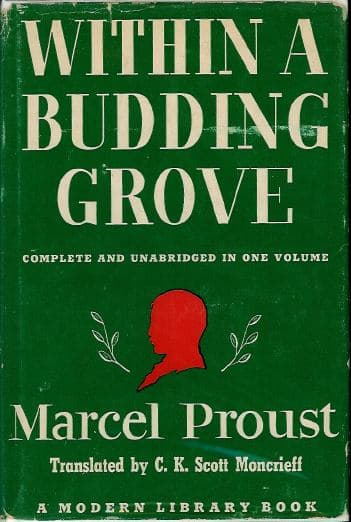
Marcel Proust
Within a Budding Grove
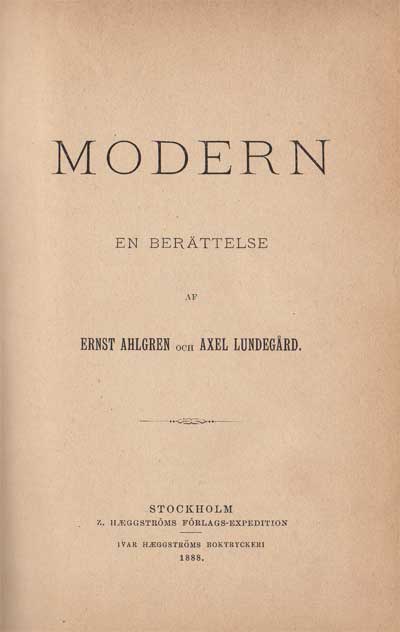
Victoria Benedictsson
Modern
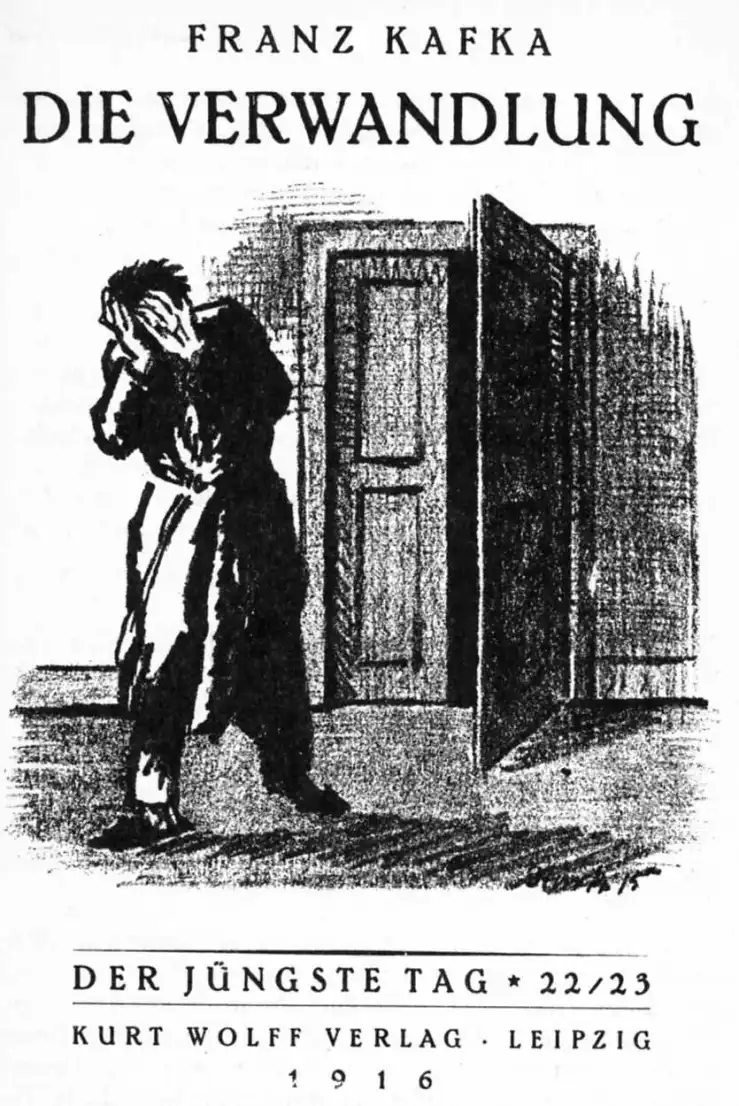
Franz Kafka
The Metamorphosis
Your progress
Authors
Languages
Tags
Loading…
The method
Why Type a Masterpiece?
Typing out classical literature is not just an exercise in patience; it's a deeply immersive way to understand the rhythm, structure, and nuances of great writing. By manually reproducing the works of renowned authors, you engage with the text on a level that reading alone cannot offer. This method allows you to feel the flow of sentences, the choice of words, and the intricate construction of paragraphs that make these works timeless.
Style is a very simple matter; it is all rhythm. Once you get that, you can't use the wrong words.
— Virginia Woolf
Literati is a unique platform where writers can select from a vast collection of public domain classics to type out. This practice is akin to a musician playing pieces by the masters to internalize the elements of composition and performance. Just as the musician learns the subtleties of each note and chord, the writer learns the power of each word and sentence.
Prose is like hair; it shines with combing.
— Gustave Flaubert
Engaging directly with masterpieces allows writers to absorb the rhythm of the text, the ebb and flow of its pacing, and the beauty of its imagery. It cultivates an appreciation for the craft of writing and provides invaluable lessons in how to construct compelling narratives, develop characters, and evoke emotions in readers. Happy typing!
The only truth is music.
— Jack Kerouac